How to Make Money Fast: Selling Fish & Early-Game Economy
The fastest way to make money in How to Fish is to work the core loop the game is built around: catch fish, convert them into currency, and reinvest in upgrades as you push from Island 1 (Lighthouse) toward the later islands. The game's own premise makes this explicit — after crashing your boat, you must "work your way back home" by learning to fish, which means the early game is fundamentally about building an income from your catches. Exact per-fish sale prices have not yet been documented by any reliable source, so this guide focuses on the verified structure of the economy: what earns money, where it goes, and how to avoid wasting it early.
How the Economy in How to Fish Works
How to Fish is a 1-4 player physics-based fishing simulator from Dazed Games (released August 20, 2026, Windows only), and its economy is driven by the story premise: you crash into a small island while drinking and boating, and must learn to fish to work your way back home. That framing tells you everything about the early game — progress and money are tied together, and fishing is your primary income source from the first cast.
Unusually for a fishing game, How to Fish runs two parallel systems: fishing and combat. The game is classified as both Action and Simulation on Steam, and community documentation covers Fishes, Bosses, Weapons, and Baits as separate pillars. In practice this means your money likely feeds two spending lines at once — fishing gear on one side, and weapons plus weapon attachments on the other. Budgeting between the two is the central early-game economic decision.
One important caveat: while a currency system and a dedicated "How to Make Money Fast" topic are confirmed to exist in community guides, no source has yet published the currency's name, specific vendor locations, or a price list for fish. Treat any exact numbers you see elsewhere with skepticism until they are verified in-game.
- Confirmed core loop: learn to fish → earn money → progress toward getting home
- Two spending lines: fishing equipment/upgrades and weapons/attachments
- Making money is a documented core gameplay topic, not a side activity
- Exact prices, currency name, and vendor details are not yet verified by any source
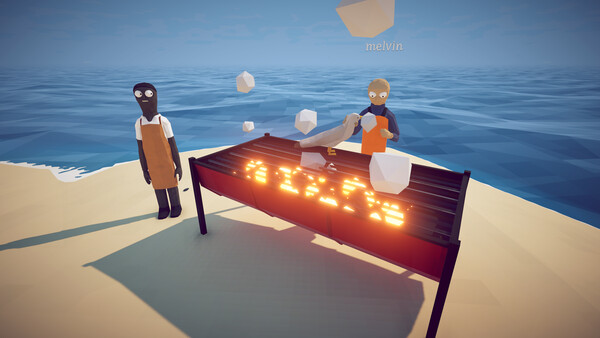
Selling Fish: What's Worth Catching Early
The game features roughly 50 catchable creatures, and these are your sellable output as you grind the early islands. The confirmed catch list mixes familiar species — Brown Crab, Shrimp, Mackerel, Cod, Salmon, Perch, Bass, Lobster, Red Snapper, Halibut — with fictional species unique to this game, such as Sengarat, Voxelfish, Dripper, Superdwarf Fish, and Bowlfish. Early on, expect your income to come from the common species available near your starting area rather than from rare catches.
No source has yet published individual sale prices, so a definitive "best fish to sell" ranking is not possible at this time. However, two categories are documented as special and are the most likely high-value targets once you can reach them: endangered fish (the game has a dedicated "How to Catch Endangered Fish" mechanic, and rarity-gated catches in this genre typically command premium value — unconfirmed for this title) and the 12 boss creatures. The boss roster runs from Spider Crab and Sunfish up through Blue Shark, Tuna, Goblin Shark, and ultimately the Bowhead Whale and Mutated Bowhead Whale — but bosses are late-game content, not an early money strategy.
A practical early-game approach given what's verified: fish consistently, catch everything you can hold, and sell in bulk rather than chasing specific species. Until the community documents actual prices, volume is the only strategy you can rely on.
- ~50 catchable creatures total; common early species include Brown Crab, Shrimp, Mackerel, Cod, and Bass
- Endangered fish are a documented special catch category and a likely (unconfirmed) premium target
- 12 bosses exist, from Spider Crab to Mutated Bowhead Whale — late-game targets, not early income
- No verified price list exists yet, so prioritize catch volume over species selection in the early game
Early-Game Economy: The Island Progression
Progression in How to Fish moves through five islands, and the island order effectively defines your economic stages. The early-game economy plays out on Island 1 (Lighthouse) and Island 2 (Forest) — this is where you learn the fishing loop, build your first bankroll, and make your first upgrade purchases. Islands 3 through 5 (Palm Trees, Casino Barn, and the final volcanic island) represent the mid and late game, where both earning potential and spending options expand.
The key early-game takeaway from this structure: money you earn on the Lighthouse and Forest islands is what funds your push to the later islands. Since upgrades are a documented system (a full upgrade list exists in community guides, though individual prices haven't been published), your early earnings should go toward whatever upgrades unlock better catches or faster fishing — the standard reinvestment loop for this genre. The game also offers difficulty options that may affect economic values, though the specific differences between difficulties have not been documented.
- Island 1: Lighthouse — starting area, learn the loop, first earnings
- Island 2: Forest — early-game grind and first major reinvestment phase
- Island 3: Palm Trees — mid-game transition
- Island 4: Casino Barn — gambling economy unlocks
- Final Island: Volcanic island — endgame
| Stage | Island | Economic Role |
|---|---|---|
| Early game | Island 1: Lighthouse | First income from common catches; learn the fishing loop |
| Early game | Island 2: Forest | Build bankroll; fund first upgrades |
| Mid game | Island 3: Palm Trees | Expanded earning (details not yet documented) |
| Mid/late game | Island 4: Casino Barn | Casino gambling becomes available |
| Endgame | Final Island (volcanic) | Final progression stage |

Where Your Money Goes: Upgrades, Weapons, and Skins
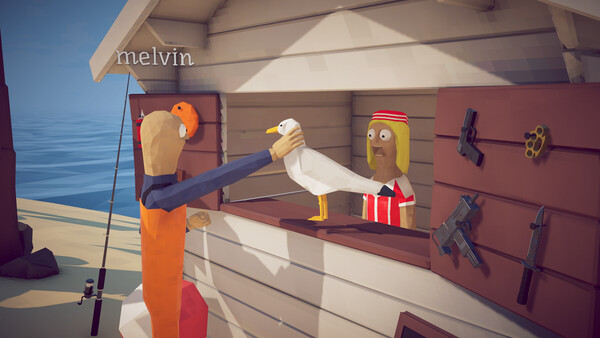
Knowing what to spend on matters as much as earning. Three confirmed money sinks exist in How to Fish: an upgrade system (a full list of upgrades is documented in community guides), a weapons system with weapon attachments (tier lists and attachment guides exist, though whether weapons are bought or found as drops is unverified), and cosmetic skins tied to a mechanic called the "Reel of Fortune" — a name that suggests a spin/lottery system, though its actual rules and costs have not been documented.
For early-game efficiency, the genre-standard advice applies within what's verified here: upgrades that improve your fishing output pay for themselves, while cosmetics and gambling do not. Prioritize functional upgrades first, hold off on skins, and treat anything resembling a lottery as a luxury for after your core equipment is sorted. Since the game supports 1-4 player co-op, playing with friends may also change your economics in practice — though no source documents whether money is shared or individual in multiplayer.
- Upgrades: confirmed system with a full documented list — the recommended early priority
- Weapons and attachments: confirmed systems; acquisition method (purchase vs. drop) unverified
- Skins and the Reel of Fortune: confirmed to exist; likely a spin/lottery mechanic (unconfirmed), skip early
- Multiplayer money handling (shared vs. individual) is not yet documented
The Casino Barn: Can Gambling Make You Money?
The most distinctive — and best-verified — feature of this game's economy is the casino. Island 4 is literally named "Casino Barn," and Steam community discussions independently confirm that players are actively betting money there, making the casino one of the few economy facts corroborated by multiple sources. This is a real part of the game's money system, not a decorative set piece.
Should you gamble to make money fast? Based on current evidence: no, at least not as an early-game strategy. The casino sits on Island 4, well past the early-game islands, so it isn't even accessible during the phase this guide covers. More importantly, no source has documented the casino's games, odds, or expected returns — and community discussion of players depositing money into the casino tells you money flows in, not necessarily out. Treat the Casino Barn as a mid-game money sink until proven otherwise, and build your bankroll the reliable way: with a fishing rod.
- The casino's existence is verified by multiple independent sources — it's a genuine part of the economy
- It's located on Island 4, beyond the early-game phase
- No odds or payout data has been documented; assume it's a net money sink
- Fishing remains the only verified income source in the game